Crash Course in Quick Recovery
Three lanes can shrink to one before drivers even realize what happened. A disabled tractor-trailer, a wrecked pickup, or a car sitting sideways near an exit can create a backup that stretches fast on I-55. That is why I-55 accident recovery has to start with quick decisions, clear communication, and the right tow truck heading out the first time.
At a crash scene, the damaged vehicle is only one part of the job. We also look at traffic flow, leaking fluids, loose debris, shoulder space, and where police, fire, or EMS need room to work. If the lane stays blocked too long, everyone behind that scene feels it.
First Responders Need Space Before We Need a Hook
Police and fire crews usually have the first job on scene. They protect people, check for injuries, and manage traffic while the recovery plan comes together. We fit into that scene by giving them room, following their traffic setup, and keeping our equipment where it helps instead of crowding the work area. A wrecker parked in the wrong spot can block an ambulance, limit a fire truck, or force officers to adjust traffic around us. We have worked enough highway crashes to know that the first few minutes set the tone for the whole cleanup.
Opening Lanes Changes the Whole Road
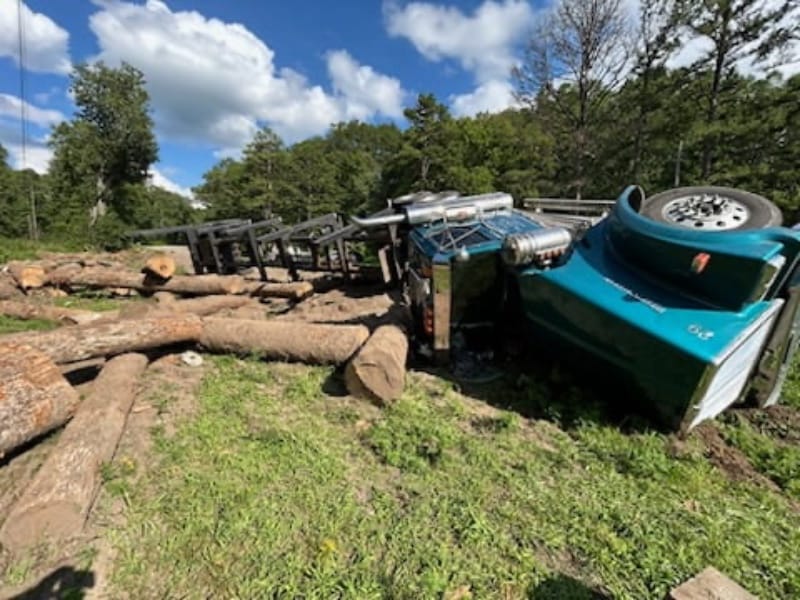
Once injuries and immediate hazards are handled, the next goal is getting lanes open. Accident recovery is as much about removing a damaged unit as it is about clearing debris, getting wreckage out of the travel path, and helping traffic move again without creating another crash.
A small delay can turn into a long backup during commuter traffic or heavy freight hours. During I-55 accident recovery, we may have to move a disabled car first, then come back for scattered parts, damaged cargo, or a trailer sitting at a bad angle. Sometimes the fastest move is not the final move. It is the move that gives responders and traffic a little breathing room.
The Right Truck Saves Time at the Scene
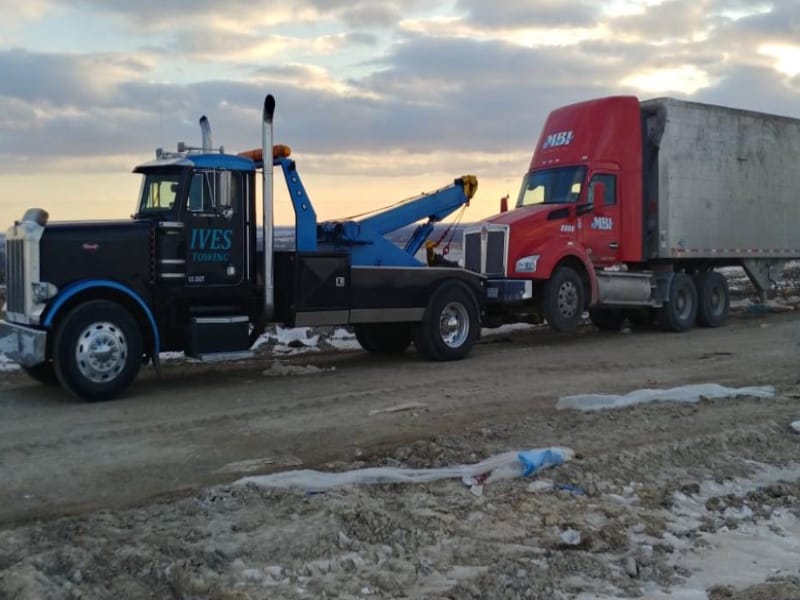
Sending the wrong truck costs minutes that nobody has on an active highway. A light-duty wreck may need a rollback. A rolled box truck may need a heavy wrecker. A loaded semi may need our 50-ton rotator, extra rigging, or more than one operator. Good I-55 accident recovery starts before we arrive because dispatch has to ask the right questions.
The details we want early include:
- Vehicle type and size
- Lane blockage
- Rollover or upright position
- Cargo or debris on the road
- Fluid leaks
- Police or fire already on scene
- Final tow destination
Those answers help us match the truck to the crash instead of guessing. For I-55 accident recovery, that can mean sending one of our Freightliners, a heavy wrecker, or the rotator right away. The goal is simple: arrive prepared and avoid calling for backup because the first unit was not enough.
Ives Towing: Handling I-55 Accident Recovery When Minutes Matter
Ives Towing has been family-owned since 1954, and we still approach accident scenes like the work reflects on our name. Our I-55 accident recovery services include light-duty towing, heavy-duty towing, semi-truck recovery, rotator work, accident cleanup, and support for police-managed scenes across Southern St. Louis and nearby Missouri communities.
We work with local police departments and the Missouri State Highway Patrol, so our crew knows how to operate around responders, lane closures, and busy highway shoulders. I-55 accident recovery calls can involve passenger cars, commercial trucks, trailers, debris fields, or rolled equipment. Every minute matters because one blocked lane can affect responders, drivers, freight, and families trying to get home.
FAQs
Why do tow crews focus on opening lanes after a crash?
Blocked lanes can cause long backups and secondary crashes. Once police and fire crews handle immediate hazards, tow operators work to move damaged vehicles and debris out of traffic.
Who decides when a wrecked vehicle can be moved?
Police or the lead agency on scene usually gives that direction. Tow operators wait until responders finish injury checks, investigation needs, and traffic setup before moving the vehicle.
What information should I give dispatch after a crash?
Give your exact location, direction of travel, vehicle type, and whether any lanes are blocked. Mention injuries, leaking fluids, debris, or if the vehicle rolled over.
Why would a rotator be sent to a crash scene?
A rotator may be needed for rolled trucks, heavy vehicles, awkward angles, or recoveries below the road. Its rotating boom gives the crew more lifting and pulling options.
What happens to debris after a roadway crash?
Tow crews often collect larger debris, broken vehicle parts, and loose cargo from the travel lanes. Smaller cleanup may continue after the main hazard is cleared.
Should I stay in my vehicle after a highway crash?
Follow directions from police or emergency responders. If the vehicle is in a dangerous spot and you can move away from traffic, do that carefully. Never stand between vehicles or near an active lane.