A Long Haul Calls for Steady Driving
The sun comes up early on the interstate, and the road already hums with traffic. We see tractor-trailers carry everything from produce to construction materials across the state every day. Along busy freight routes, I-70 semi towing often starts with a rollover that could have been avoided.
A rollover can happen in a few seconds, yet the causes often build over miles. Speed, shifting cargo, sharp steering, and driver fatigue all play a part. We can lower the risk by paying attention to a few habits before the truck leaves the yard and while it stays on the road.
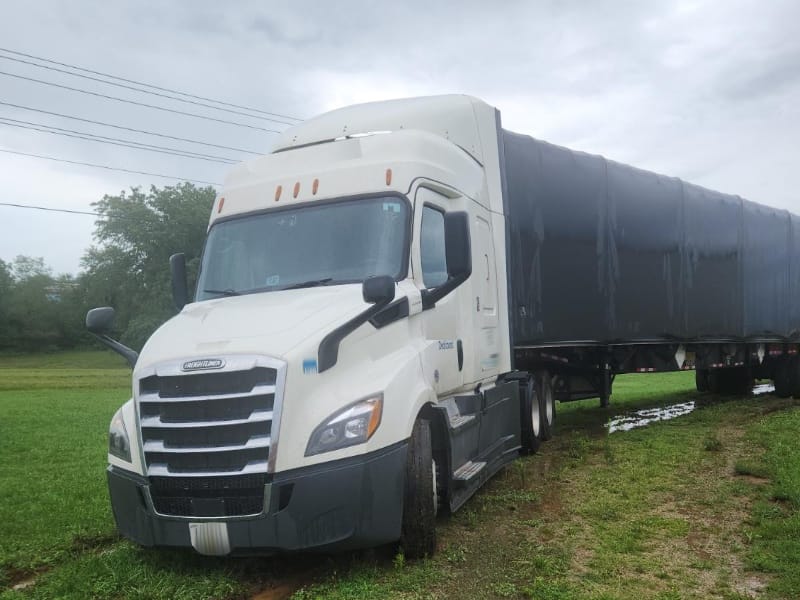
1. Slow Down Before Curves and Exit Ramps
A fully loaded tractor-trailer needs more room to turn than a passenger car. When we take a curve too fast, the trailer leans hard to one side and can pull the whole rig over. Exit ramps and tight turns along the interstate create some of the most common trouble spots.
We reduce that risk when we ease off the throttle before the curve begins. I-70 semi towing crews often arrive at ramps where drivers entered too quickly and lost control. A lower speed keeps the trailer balanced and gives us more time to react if traffic changes ahead.
2. Check Cargo Weight and Load Placement
A trailer with uneven cargo can feel stable for miles, then shift at the worst moment. Heavy freight that sits too high or too far to one side makes the truck harder to control. We need to secure every load and keep the weight spread evenly from front to back.
Before every trip, we can take a few minutes to inspect the trailer:
- Check that tie-downs stay tight
- Keep heavy cargo low in the trailer
- Spread weight evenly across the axles
- Recheck the load after the first few miles
I-70 semi towing calls often involve trailers where cargo shifted during a lane change or a curve. A careful inspection takes far less time than dealing with a rollover on the shoulder.
3. Stay Alert and Avoid Sudden Steering
Fatigue changes the way we drive. Tired drivers react more slowly, drift out of their lane, and make quick steering corrections that can upset the trailer. One sharp movement at highway speed can send the truck into a skid and in need of heavy duty towing services in an instant.
Drivers can avoid that by planning rest breaks and paying attention to signs of fatigue. Our I-70 semi towing teams see many crashes late at night and in the early morning hours, when drivers struggle to stay focused. Truckers should keep both hands on the wheel, leave extra following distance, and make smooth steering movements through traffic.
How Ives Towing Helps With I-70 Semi Towing
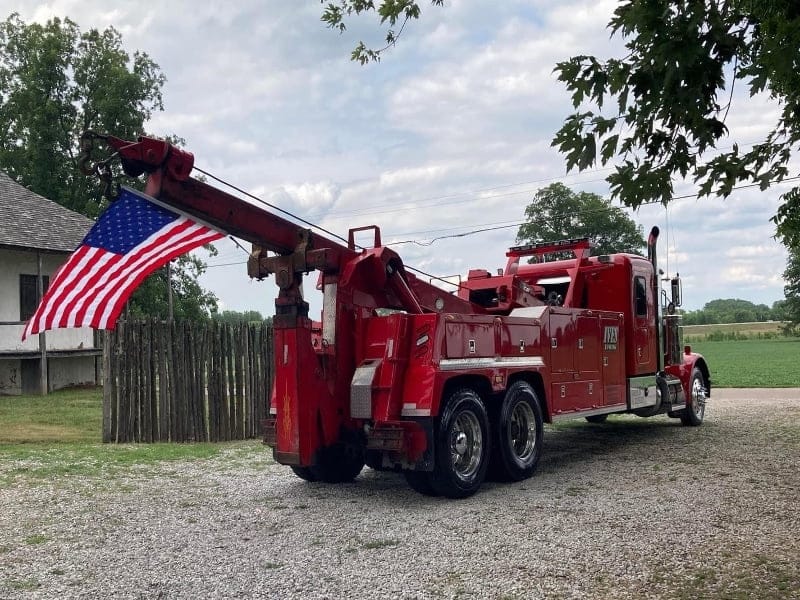
When a rollover happens, the scene can shut down traffic in a hurry. We know that every minute matters, especially when a tractor-trailer blocks lanes or spills cargo. At Ives Towing, we respond to I-70 semi towing calls with heavy-duty wreckers, recovery gear, and a clear plan to reopen the road.
We also help drivers before small problems grow into larger ones. Our team handles breakdowns, load shifts, off-road winch-outs, and roadside support for commercial trucks across the interstate. Drivers call Ives Towing for I-70 semi towing because we know the route, we know the traffic patterns, and we know how quickly a routine drive can change.
FAQ
What is the most common cause of a tractor-trailer rollover?
Driving too fast into a curve or exit ramp causes many rollovers. A loaded trailer shifts its weight during a turn, and higher speeds make it harder to keep the truck balanced.
How can cargo placement affect truck stability?
Cargo that sits too high or too far to one side can make the trailer lean. Even weight distribution keeps the truck more stable during turns and lane changes.
How often should drivers inspect their load?
Drivers should inspect the load before leaving, after the first few miles, and during every stop. Tie-downs can loosen as the trailer moves down the road.
Can bad weather increase rollover risk?
Yes. Rain, snow, ice, and strong wind make it easier for a trailer to slide or tip. Drivers should slow down and leave more space between vehicles during poor weather.
What are the warning signs that a truck may roll over?
A trailer may begin to sway, lean, or feel unstable during a turn. Steering can also feel heavier or harder to control.
Does driver fatigue play a role in rollovers?
Yes. Tired drivers react more slowly and may make sudden steering corrections. Regular rest breaks help drivers stay alert and in control.