A Routine Day That Ends With a Dead Battery
A long day at the office ends the way most do: a walk down to the parking deck, a quick check of the phone, a turn of the key. Then nothing. The dashboard does not light up, the starter does not click, and the realization settles in that the car is going nowhere on its own. Our St. Louis towing crews who work parking structures hear this exact story a lot. Cars get stuck in garages for all kinds of reasons. Dead batteries top the list, with flat tires, accidental damage, mechanical failures, and lockouts close behind. Knowing what to do before the tow truck arrives takes some of the stress out of the situation.
First Things to Check Before You Call
A few simple checks save time and sometimes the cost of a tow. First, verify that the car is in park or neutral and that the steering wheel is not locked. A vehicle that will not start may simply need the wheel turned slightly while the key is turned. Second, look at the dashboard for warning lights, since a flashing battery, fuel symbol, or check engine light tells the tow operator what to bring along.
If a jump start might do the trick, ask a passing motorist or building security for help. Many parking decks have jump kits stored on site. If a jump fails or the problem is something larger, the tow call is the right move.
Information to Have Ready When You Call
A good dispatcher can move much faster when the customer provides clear information up front. The most useful details are:
- The building name, address, and any specific entrance the truck should use
- The level the car is parked on (P1, P2, ground, etc.)
- The stall number or column number nearest the car
- The posted ceiling clearance at the entrance, if visible
- The make, model, and color of the vehicle
- The reason for the call (won’t start, flat, lockout, etc.)
- Any gate code, parking validation, or after-hours access information
Those details let the dispatcher pick the right truck before anyone leaves the yard. A St. Louis towing operator dispatched with full information arrives faster and finishes the job sooner.
What to Expect When the Truck Arrives
The driver checks the entrance clearance before bringing the truck inside. If the ceiling is too low, the truck stays at the surface and the recovery happens in stages. The operator will explain the plan, ask the customer to verify ownership, and may ask the customer to stand clear during loading. A standard St. Louis towing call from a parking garage runs between 45 and 90 minutes, depending on the situation. The customer does not need to stay the whole time if drop-off arrangements are confirmed in advance, and most operators call once the car has arrived at the destination.
How Long It Takes and Where the Car Goes
Indoor recoveries run longer than curbside tows. Between confirming clearance, navigating ramps, repositioning dollies if needed, and coordinating with the building, a St. Louis towing call from inside a garage often takes two to three times the time of a roadside tow. Customers who plan for that extra hour are usually happier with the outcome.
Most cars end up at one of three places: the owner’s preferred shop, a dealership, or a holding lot. The customer makes that call when the truck is being booked, and one of our St. Louis towing operators confirms the destination once before loading and once before unloading.
Ives Towing on St. Louis Towing From Tight Spaces and Underground Decks
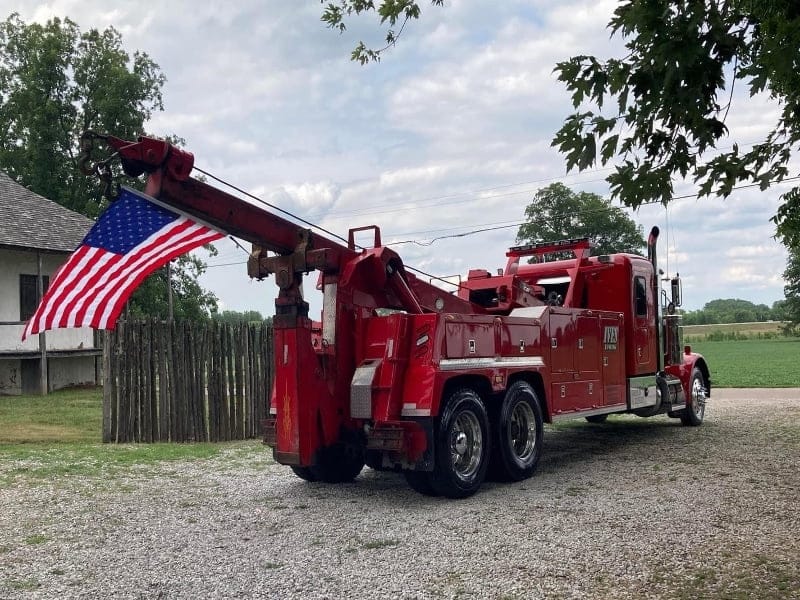
At Ives Towing, St. Louis towing from low clearance and underground garages is part of our regular work. We run low-profile trucks built to clear the seven-foot ceilings most decks impose, alongside dollies, skates, and battery winches for the parts of the job a truck cannot do alone.
If your car is stuck in a parking garage, we will ask the right questions on the first call, send the right rig, and get your vehicle to where it needs to go. Save our number in your phone now and you will not have to look it up at the end of a long day.
Frequently Asked Questions
Does my roadside assistance plan cover tows from parking garages?
Most major roadside plans cover garage tows, but the details vary. Some plans treat indoor calls as a different category with separate limits, and some require the member to call the provider’s preferred carrier rather than a local company. Check the plan details before assuming the cost will be reimbursed.
What if I cannot stay with the car while waiting for the tow?
Tow operators can usually handle a recovery without the owner present, as long as ownership is documented and the operator has the keys or written authorization. Some buildings require the owner to grant access in person, so confirm building rules with the dispatcher when booking the tow.
Can someone else authorize a tow for my car?
Yes, with proper documentation. The vehicle owner can grant authorization over the phone or by sending a photo of identification along with a brief written statement. Tow operators verify identity and ownership before loading any vehicle, since they are liable for the load they pick up.
How are fees structured for a tow from a parking garage?
Most carriers use a base hookup fee plus a per-mile rate. Indoor recoveries often add a labor or access fee for the extra time required. Hourly garages may charge the vehicle owner separately for the parking time accumulated while the tow was arranged. The dispatcher can outline these costs at booking.
Can the operator just jump my car instead of towing it?
Often yes. Many tow operators carry portable jump packs and can attempt a jump start before loading. If the car starts and runs reliably, the call may shift from a tow to a service call at a lower rate. Operators charge differently for these calls, so the dispatcher can confirm options on the phone.
What about personal items left in the car during a tow?
Operators recommend taking valuables out before the tow. Items left in the car remain the owner’s responsibility, and carriers typically do not insure personal property. If the car is heading to a holding lot, securing documents and electronics in advance avoids any confusion later.